Africa · Statecraft · The Priest Group
Sovereignty, systems
& the human consequence.
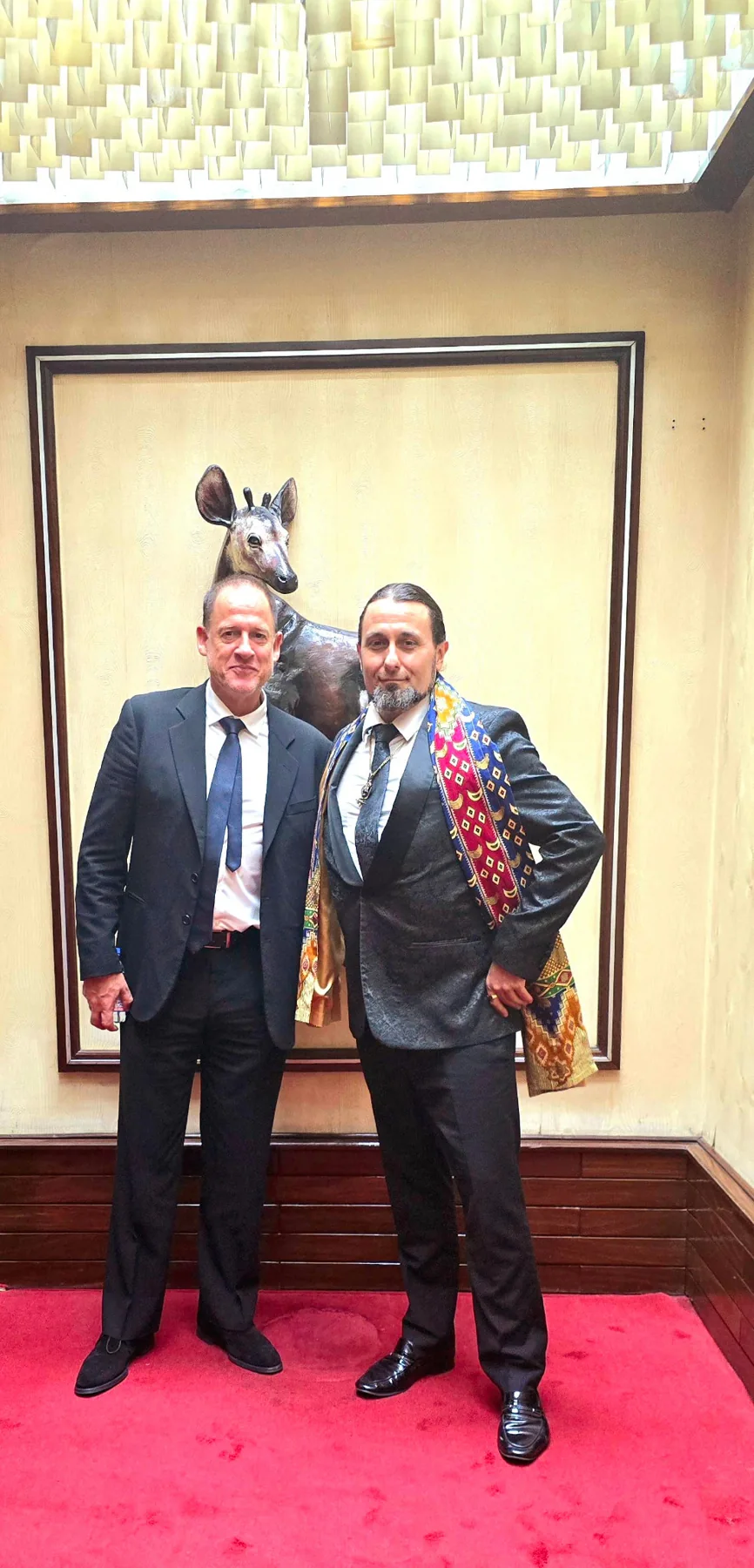
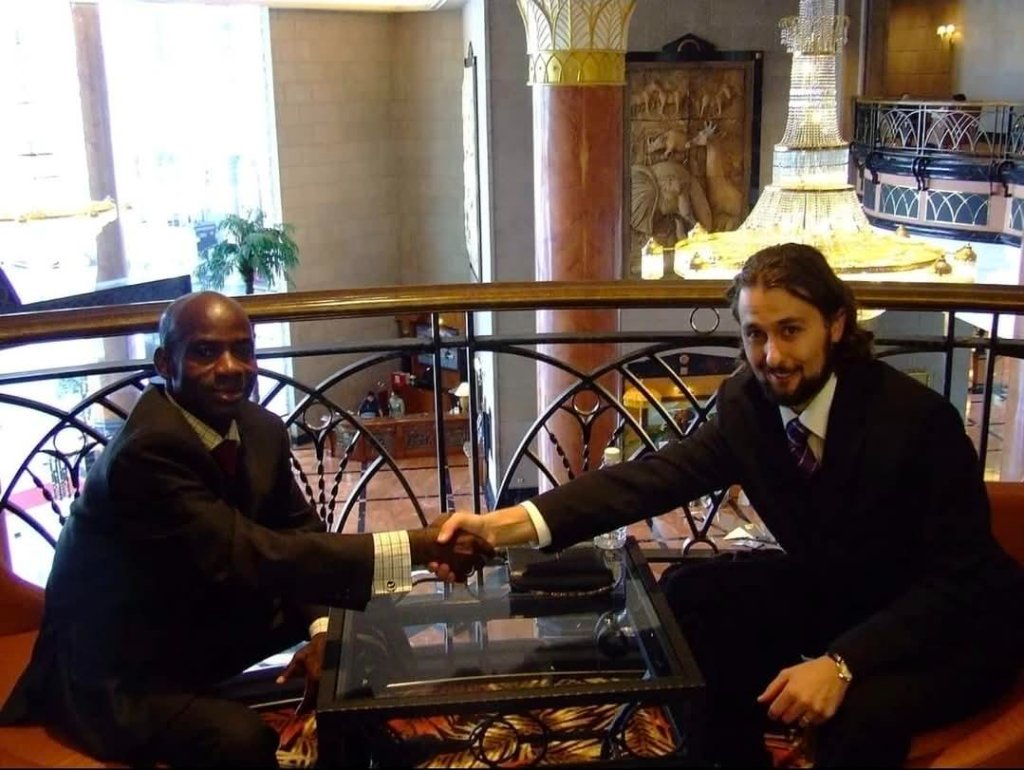
My journey into Africa began with a handshake at the World Peace Congress. Meeting Aloise Makoule Goma opened a path that would become a substantial part of my life and work.
The human purpose
A country’s wealth should give its people greater power to shape their future.
01 / Provenance
Following value to its source
As a jeweller, I work with materials whose histories begin long before they reach the bench. Provenance asks where a stone or metal came from, who had authority to trade it and what supports the account of its journey. Those questions later became part of my resource due diligence and the wider field of statecraft and strategic engagement.
The Democratic Republic of the Congo became an important part of that work. My early engagements concerned diamond and gold provenance. The questions widened into fair trade, development finance and the institutions through which resources might support national priorities.
A valuation describes what something is worth. The harder question is how that value moves: who negotiates the terms, who controls the process and what reaches the people whose country supplied it. This is where the discipline of the bench met the realities of power. The material was only the beginning of the story.

02 / Engagement
In the rooms where commitments take shape
As CEO of The Priest Group, my work has extended across South Africa, Botswana, the DRC and Kenya. It has involved resource provenance, development finance and institutional authority, including the relationship between African national priorities and international Western interests.
In 2024, I attended government-level meetings in the DRC following a formal invitation through the Presidency. That year also included in-person work in Nairobi. In September 2025, I attended government-level meetings in Gaborone, Botswana, following an invitation through the President’s Private Office.
These engagements brought commercial proposals into conversations about national direction. Development finance, banking arrangements and strategic cooperation require people to work through questions of authority, control and responsibility. Who can make a commitment? What must happen for it to become practical? Whose priorities will shape the result?
My earlier international work had already taken me into discussions of peace and security. In 2008, I represented the Institute for Cooperation in Space at the World Peace Congress in Kuala Lumpur, speaking on the peaceful use of space. The later African engagements brought that concern with cooperation into the practical terrain of resources, finance and national interests.
Across these settings, relationships mattered. So did the ability to distinguish a shared intention from the work still required to carry it through.
03 / Continuity
What the experience carries forward
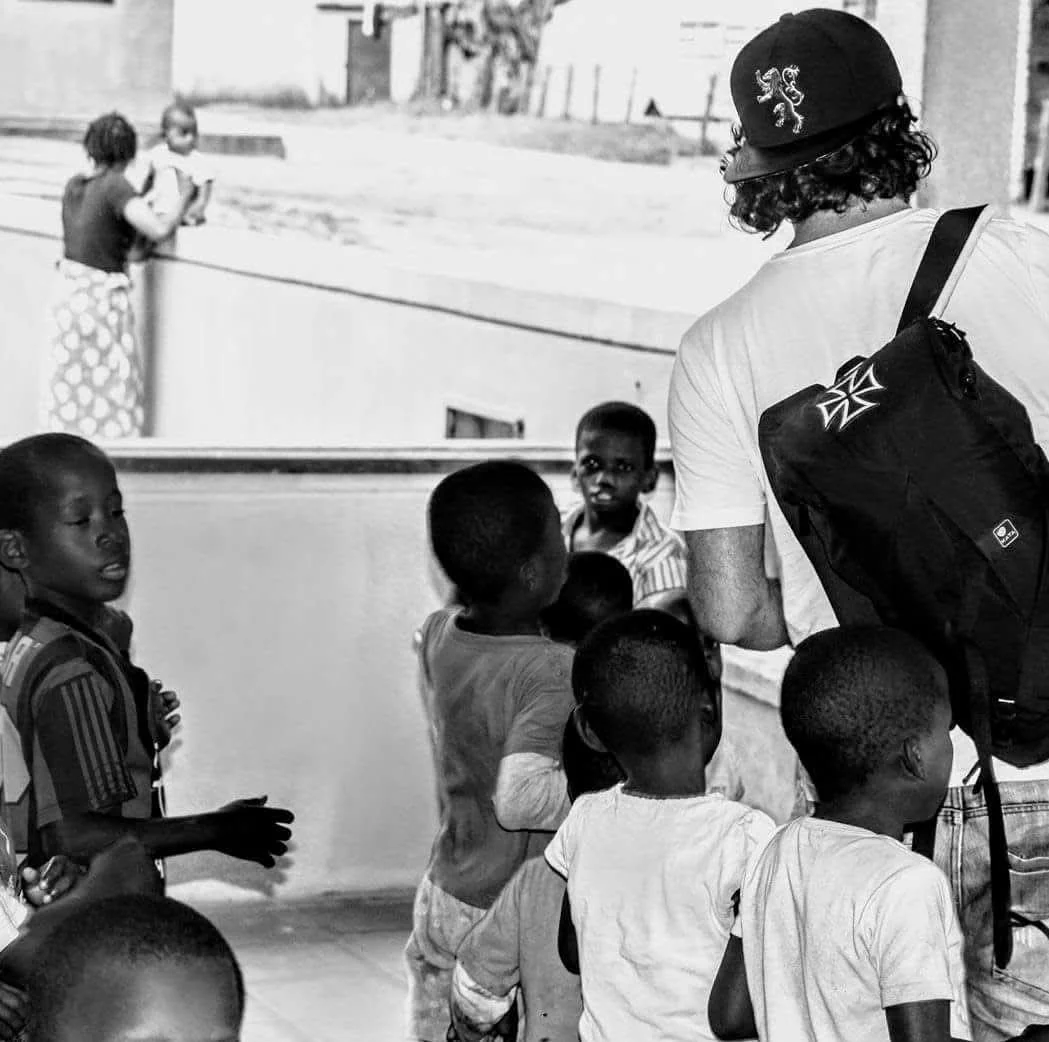
The human purpose remains central for me. Sovereignty takes practical form in the ability to own, trade, build and make decisions about a country’s future. Development has to reach people’s lives through useful work, functioning institutions and opportunities that endure.
The countries in this story each have their own institutions, priorities and circumstances. My experience belongs to particular relationships and engagements within them. It sharpened my attention to the distance between an ambitious proposal and something that can be delivered, sustained and trusted.
That attention now informs my work at SingularScript. Questions about authority, evidence and unfinished responsibility have become part of an executable architecture. The technical work is tested on its own terms; the experience explains why those questions matter to me.
Africa remains a substantial chapter in my life. The relationships, the negotiations and the human stakes belong in the story in their own right. They continue to shape how I approach the work: with respect for the people whose lives give every system its purpose.
The wider story
The next chapter
starts here.
For professional enquiries, partnerships or a conversation about the work, get in touch.
Contact Eliahi